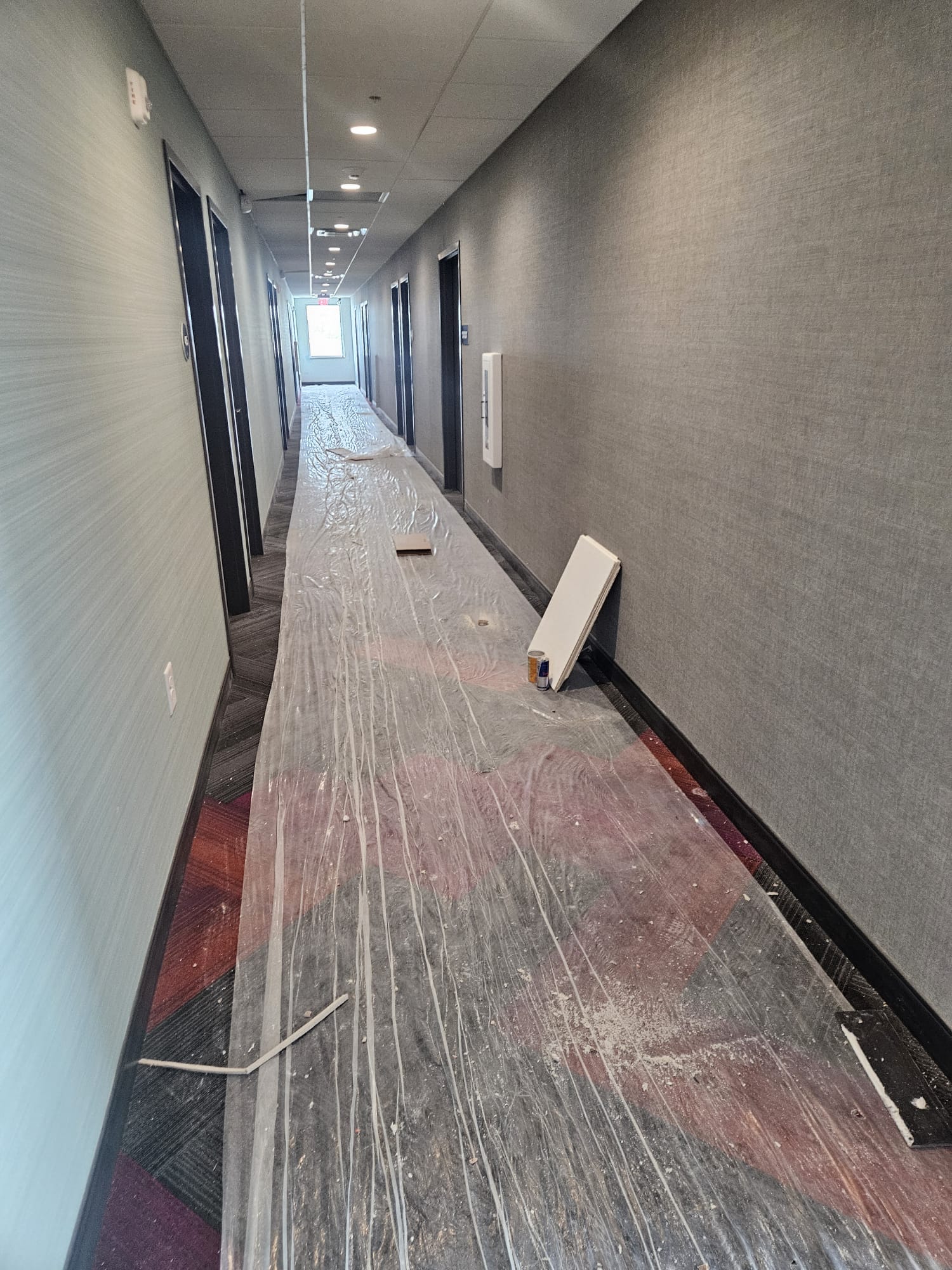
Vinyl vs. Laminate: Which Flooring is Right for You?
Choosing the right flooring for your home can be a daunting task, especially with so many options available. Two popular choices are vinyl and laminate flooring. Each has its own set of advantages and disadvantages, making it essential to understand their differences before making a decision. This guide will help you navigate through the features, benefits, and potential drawbacks of vinyl and laminate flooring.
Understanding Vinyl Flooring
Vinyl flooring is a synthetic product made from polyvinyl chloride (PVC) and other materials. It comes in various forms including sheets, tiles, and planks. Here are some key characteristics:
- Water-resistant and durable
- Available in a wide range of styles and colors
- Soft and comfortable underfoot
- Easy to install and maintain
- Usually more affordable than laminate
Advantages of Vinyl Flooring
- Excellent moisture resistance, making it suitable for kitchens and bathrooms.
- Variety of textures and patterns that can mimic natural materials like wood and stone.
- Comfortable underfoot, reducing fatigue when standing for long periods.
Disadvantages of Vinyl Flooring
- Can be prone to scratching if not properly maintained.
- May fade over time when exposed to direct sunlight.
- Not as eco-friendly as some other flooring options.
Understanding Laminate Flooring
Laminate flooring is composed of several layers, including a high-density fiberboard core and a photographic layer that mimics the appearance of wood, stone, or other materials. Here are some characteristics:
- Highly durable and resistant to scratches and dents
- Available in a variety of designs and finishes
- Cost-effective alternative to hardwood flooring
- Easy to install with a click-lock system
Advantages of Laminate Flooring
- Extremely durable, making it ideal for high-traffic areas.
- Less susceptible to moisture damage compared to traditional hardwood.
- Wide range of styles available, including realistic wood appearances.
Disadvantages of Laminate Flooring
- Cannot be refinished; once damaged, it needs replacement.
- Can be slippery, especially when wet.
- Does not have the same warmth or feel as natural wood.
Vinyl vs. Laminate: A Side-by-Side Comparison
To make an informed decision, here’s a direct comparison of vinyl and laminate flooring based on various factors:
- Cost: Vinyl tends to be cheaper than laminate, especially in large quantities.
- Durability: Laminate is typically more durable and resistant to scratches.
- Moisture Resistance: Vinyl is generally more moisture-resistant than laminate.
- Installation: Both are relatively easy to install, but vinyl may require special adhesives for some types.
- Aesthetic Variety: Both options offer a wide range of designs, but laminate generally has a more realistic wood appearance.
Making the Right Choice for Your Home
When deciding between vinyl and laminate flooring, consider the following factors:
- The areas of your home where the flooring will be installed.
- Your budget for flooring materials and installation.
- Your lifestyle and how much foot traffic your floors will endure.
- Personal preference in terms of appearance and feel.
Conclusion
Both vinyl and laminate flooring offer unique benefits that can suit different needs and preferences. If you prioritize moisture resistance and comfort, vinyl may be the best choice. However, if durability and a wood-like appearance are more important, laminate might be the better option. Assess your specific needs and consult with flooring professionals to choose the best flooring solution for your home.
For expert installation and a wide range of flooring options, visit [Pineda Flooring LLC](https://pinedaflooringllc.com) to explore how we can help you transform your space.