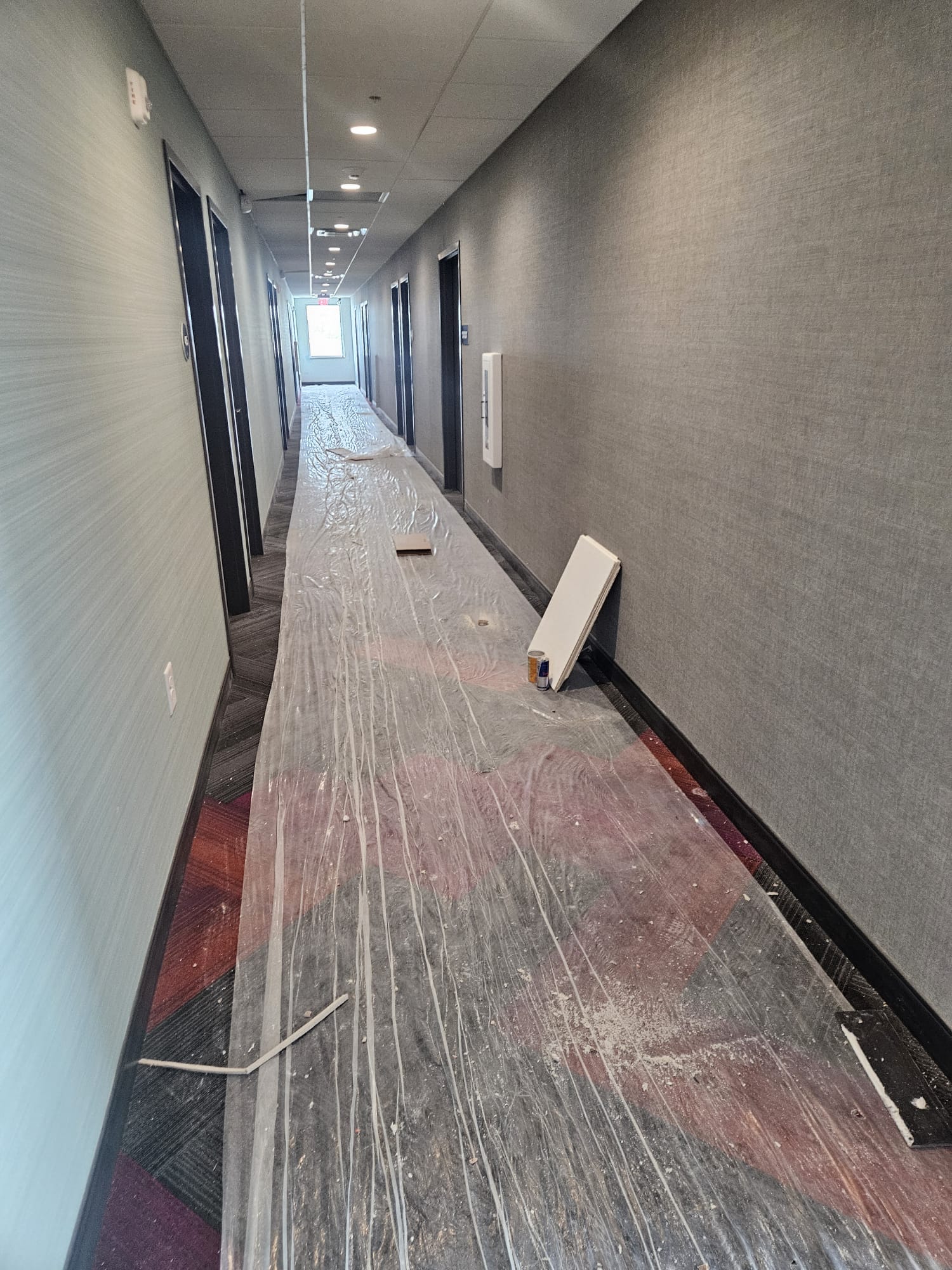
The Importance of Floor Sealing
Floor sealing is an essential aspect of home maintenance that is often overlooked. Properly sealed floors not only enhance the aesthetic appeal of your home but also protect your flooring investment from damage. In this blog post, we will explore the benefits of floor sealing, the different types available, and how to maintain sealed floors effectively.
What is Floor Sealing?
Floor sealing involves applying a protective coating to the surface of your flooring material. This layer acts as a barrier against moisture, stains, dirt, and wear, prolonging the life of your floors.
Benefits of Floor Sealing
- Protects against moisture damage
- Prevents staining from spills
- Enhances durability and longevity
- Facilitates easier cleaning
- Improves overall appearance
Protects Against Moisture Damage
Moisture can be one of the most damaging elements to flooring. Sealing your floors creates a waterproof barrier that prevents moisture from seeping into the material, which can lead to warping, mold, and mildew.
Prevents Staining from Spills
Sealed floors are far less susceptible to stains from common household spills, such as wine, coffee, or pet accidents. The protective layer allows for easier clean-up and helps maintain the appearance of your flooring.
Enhances Durability and Longevity
By sealing your floors, you significantly increase their resilience against everyday wear and tear. This added durability means your floors will last longer, saving you money on replacements.
Types of Floor Sealers
- Water-based sealers
- Oil-based sealers
- Penetrating sealers
- Film-forming sealers
Water-Based Sealers
These sealers are low in VOC (volatile organic compounds), making them a safer choice for indoor use. They dry quickly and are easy to apply, making them popular for residential use.
Oil-Based Sealers
Oil-based sealers offer a durable finish that penetrates deeply into the flooring material. They provide excellent protection but take longer to dry and have higher VOC levels.
Penetrating Sealers
These sealers penetrate the surface of the flooring, providing protection from within. They are ideal for porous materials like concrete and natural stone.
Film-Forming Sealers
Film-forming sealers create a protective layer on top of the flooring. They are great for high-traffic areas but may require periodic reapplication.
How to Maintain Sealed Floors
- Regularly clean with a damp mop
- Avoid harsh chemicals
- Reapply sealer as recommended
- Use appropriate cleaning products
Regularly Clean with a Damp Mop
Keeping your sealed floors clean is essential for maintaining their appearance and durability. Use a damp mop to remove dirt and debris without damaging the seal.
Avoid Harsh Chemicals
Harsh cleaning chemicals can break down the sealant over time. Stick to pH-neutral cleaners specifically designed for sealed floors to avoid damage.
Reapply Sealer as Recommended
Depending on the type of sealer used, reapplication may be necessary every few years. Regularly assessing the condition of your floors will help you determine when it’s time to reseal.
Use Appropriate Cleaning Products
Always follow the manufacturer's recommendations for cleaning products and methods. Using the wrong products can compromise the integrity of the seal.
Conclusion
In summary, floor sealing is a crucial step in maintaining the beauty and longevity of your flooring. By understanding the benefits of sealing, the types available, and how to care for your sealed floors, you can ensure that your investment lasts for years to come. For professional assistance with floor sealing, consider reaching out to experts like Pineda Flooring LLC.